
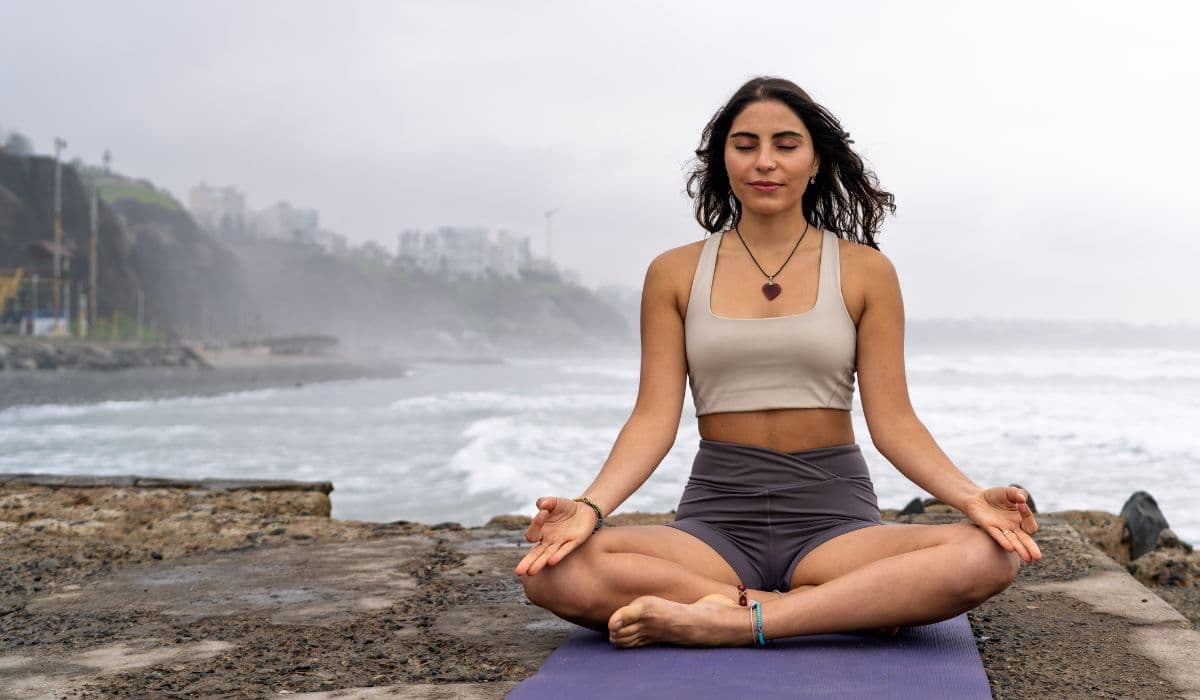
In today's fast-paced world, our minds are always racing — filled with worries, deadlines, and endless to-do lists. Many people feel anxious, stressed, or mentally exhausted. In such times, one practice has stood the test of centuries for calming the mind and improving mental well-being — meditation.
This blog explores the benefits of meditation for mental health, why it works, how it changes the brain, and how you can start your own practice to live with more peace and balance.
Understanding the Benefits of Meditation for Mental Health
Before exploring the deeper advantages, let's understand what meditation truly means. Meditation is not about stopping your thoughts or forcing your mind to be quiet. It's about observing your thoughts without judgment and gently bringing your focus to the present moment.
When practiced regularly, meditation can rewire the brain to reduce stress, manage emotions better, and promote overall happiness. The benefits of meditation for mental health have been proven by many scientific studies — including research from Harvard, Healthline, and UC Davis — showing real physiological and psychological changes in people who meditate regularly.
How Meditation Helps Calm the Mind
One of the most well-known benefits of meditation for mental health is stress reduction. When we meditate, our body activates the parasympathetic nervous system — the "rest and digest" mode — which helps counter the body's stress response.
Regular meditation lowers the levels of cortisol (the stress hormone), helping you feel calmer and more centered. You start responding to life with awareness instead of reacting out of fear or anger.
Simple practice to try:
- Sit quietly for 5–10 minutes
- Focus on your breath
- Each time your mind wanders, gently return to your breathing
This small act can make a big difference over time.
The Science Behind the Benefits of Meditation for Mental Health
Scientific studies have shown that meditation can reshape the brain's structure and function. MRI scans of people who meditate regularly show increased gray matter in areas related to emotional regulation, memory, and learning.
Key scientific findings include:
- Increased activity in the prefrontal cortex: helps with focus, decision-making, and emotional balance
- Reduced amygdala activity: lowers anxiety and fear responses
- Improved hippocampus function: enhances memory and emotional control
These biological changes explain why the benefits of meditation for mental health are not just emotional or spiritual but deeply neurological.

Reduces Anxiety and Depression
Meditation helps manage conditions like anxiety and depression by training the mind to observe thoughts without becoming trapped in them. When you meditate, you learn to separate yourself from your worries and create space between your emotions and your reactions.
A Harvard study showed that even 8 weeks of regular meditation can significantly reduce symptoms of depression. By slowing down racing thoughts, meditation teaches you how to live in the "now" — a powerful antidote to overthinking.
Improves Emotional Regulation
We often feel overwhelmed when emotions like anger, sadness, or frustration take over. Meditation helps you notice these feelings early before they grow uncontrollably. Over time, you start responding to challenges calmly rather than reacting impulsively.
Practicing mindfulness also strengthens your ability to accept emotions as they are — without judgment. This acceptance leads to inner peace and emotional maturity.
Enhances Focus and Concentration
In a world of constant distractions, maintaining focus is difficult. Meditation trains the brain to stay present and attentive.
When you meditate regularly:
- Your attention span improves
- You process information more clearly
- You make better decisions under pressure
This is why many professionals and students use meditation to enhance productivity and creativity while maintaining calm under stress.
Promotes Better Sleep and Relaxation
One of the underestimated benefits of meditation for mental health is improved sleep. People who meditate report falling asleep faster and enjoying deeper rest.
Meditation helps by:
- Reducing overthinking before bed
- Calming the nervous system
- Balancing the body's natural sleep rhythms
Mindfulness meditation before sleep can be a simple, drug-free way to manage insomnia or restlessness.
Boosts Self-Awareness and Self-Compassion
Through meditation, you develop a deeper understanding of yourself — your patterns, triggers, and habitual reactions. This self-awareness is the foundation of personal growth.
Meditation also fosters self-compassion. You learn to treat yourself with kindness instead of harsh criticism. This shift in mindset improves overall mental health and resilience.
Strengthens the Mind-Body Connection
Meditation encourages you to tune into your body's signals. You become more aware of tension, discomfort, or relaxation. This connection helps you respond to your body's needs more effectively — whether that's rest, movement, or nourishment.
Helps Manage Trauma and Emotional Pain
For those dealing with past trauma or ongoing emotional pain, meditation can be a gentle healing tool. It creates a safe mental space to process difficult feelings without being overwhelmed by them.
Many therapists integrate mindfulness and meditation into trauma-focused therapy because of its proven effectiveness.
Encourages a Positive Outlook on Life
Regular meditation shifts your mental patterns from negativity bias to a more balanced, optimistic perspective. You start noticing beauty, gratitude, and possibility in everyday moments.
This doesn't mean ignoring challenges — it means facing them with a calm, steady mind instead of fear or despair.
Types of Meditation for Mental Health
There are many meditation styles. Here are a few popular ones:
- Mindfulness Meditation: Focus on the present moment, often using breath as an anchor
- Loving-Kindness Meditation (Metta): Cultivate compassion for yourself and others
- Body Scan Meditation: Tune into physical sensations throughout your body
- Guided Meditation: Follow along with a teacher or audio recording
- Transcendental Meditation: Use a mantra to settle the mind
Experiment to find what resonates with you.
Practical Tips to Start a Meditation Practice
1. Start Small Even 5 minutes a day is beneficial. Don't pressure yourself to meditate for long periods right away.
2. Be Consistent Practice at the same time each day to build a habit. Morning meditation sets a calm tone for the day.
3. Use Apps or Guides Apps like Headspace, Calm, or Insight Timer can help beginners learn techniques and stay motivated.
4. Create a Comfortable Space Find a quiet spot where you won't be disturbed. Sit comfortably — on a chair, cushion, or floor.
5. Let Go of Expectations Your mind will wander. That's normal. Gently bring your focus back without judgment. There's no "perfect" meditation.
Common Myths About Meditation
Myth: You have to clear your mind completely.
Truth: Meditation is about noticing thoughts, not erasing them.
Myth: Meditation is religious or spiritual.
Truth: While it has spiritual roots, meditation can be practiced secularly for mental health.
Myth: You need special skills or training.
Truth: Anyone can meditate. It's a simple, accessible practice.
Real-Life Changes People Notice
People who meditate regularly often report:
- Feeling less reactive and more patient
- Sleeping better and waking up refreshed
- Improved relationships due to better communication
- Reduced physical symptoms of stress (headaches, tension)
- Greater sense of purpose and inner peace
Long-Term Benefits of Meditation for Mental Health
The more you practice, the deeper the benefits:
- Increased resilience: Bounce back from setbacks more easily
- Lower risk of mental health issues: Protect against anxiety, depression, and burnout
- Enhanced creativity: A calm mind is a creative mind
- Improved overall well-being: Feel more fulfilled, joyful, and connected
Conclusion: The Path to a Peaceful Mind
The benefits of meditation for mental health are profound and scientifically backed. Whether you're dealing with stress, anxiety, or simply want to live with more awareness and peace, meditation is a powerful tool.
Start today. Sit for 5 minutes. Breathe. Notice. Return.
Over time, those small moments of stillness will transform your mind — and your life.
You deserve peace. You deserve calm. And meditation can help you find it.

About the Author
Aman Chandra
Dealing with the separation of his parents at the age of two years and battling crippling anxiety and obsessive-compulsive disorder (OCD) at the age of twelve years are just a few of the challenges that Aman dealt with. With a burning desire to learn “how to be happy in life” despite there being so much suffering, Aman began a life-long journey of studying under various global personal and spiritual growth masters, such as Eckhart Tolle and Tony Robbins. With this was born his tried-and-tested Bulletproofing-Happiness™ formula, and he uses the same to coach seekers across the globe on how to overcome challenges and live a truly happy life.
You might also like

The Best Strategies for Supporting Employee Mental Health in the Workplace
Discover actionable Strategies for Supporting Employee Mental Health to reduce burnout and boost ROI. Learn how corporate wellness coaching and flexible work can transform your culture.

Lack of Discipline Makes You Feel Guilty? Here’s How to Conquer It!
Discover why lack of discipline makes you feel guilty and learn effective strategies to overcome guilt and build self-compassion for lasting progress.